Curriculum at a Glance
Integrative Mind Training: The Professional Certification Journey
Our 6-month curriculum is an architecturally designed path into professional hypnotherapy practice.
Students complete 220 total hours of study, including 110 hours of live, interactive training and 110 hours of independent research, fieldwork, and documented case studies.
This training is designed for mental health professionals who want more than scripts, surface-level tools, or generic certification language.
IMT teaches the structure behind the work — how hypnosis functions, how subconscious patterns are formed, and how practitioners can use hypnotherapy responsibly as a complementary, client-centered modality.
Module I: Foundations of Hypnosis
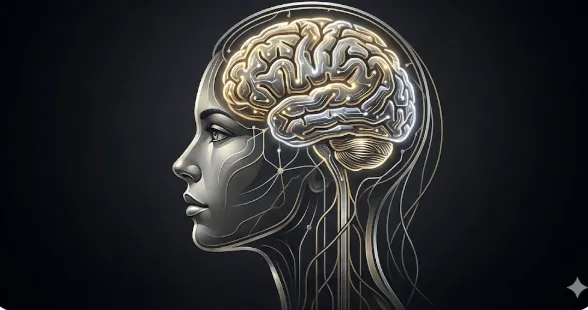
Students begin by developing a clear, professional understanding of hypnosis: what it is, what it is not, how trance functions, and how the subconscious mind participates in change.
This month introduces the history and evolution of hypnosis, common myths and misconceptions, natural trance states, focused attention, suggestibility, absorption, brain wave states, and core trance phenomena.
Module II: Ethics & Professional Conduct
This module focuses on the professional responsibilities required to practice hypnotherapy with integrity.
Students study IACT ethics, client welfare, informed consent, confidentiality, documentation, boundaries, scope of practice, referrals, and professional limitations. This month also begins the transition into hands-on skill development with the Dave Elman Induction.
Module III: The Architecture of Trance
Students deepen their understanding of subconscious architecture and hypnotic communication.
This module covers the conscious, subconscious, and unconscious minds; the Critical Faculty; the Rules of Mind; the Reticular Activating System; direct and indirect suggestion; cause/effect language; responsiveness testing; convincers; deepening routines; and ideomotor responses.
Module IV: Advanced Behavioral Modalities
This module moves students into structured change processes.
Students study the MetaPattern of Change, association and dissociation, resource integration, future pacing, the Swish Pattern, reframing, the Director Technique, polarity integration, post-hypnotic suggestion, and strategic hypnotic communication.
Module V: Specialized Clinical Applications
This module introduces specialized applications of hypnotherapy with careful attention to ethics, scope, and responsible use.
Students study regression-to-cause, Initial Sensitizing Events, reimprinting, managing abreactions, habit modification, stress reduction, performance enhancement, pain management applications with medical clearance, Deep Trance Identification, pediatric considerations, and additional transformational techniques
Module VI: Professional Integration & Leadership
The final module helps students integrate hypnotherapy into their professional identity and future practice.
Students explore group hypnosis, self-hypnosis, intake structure, case study review, virtual practice considerations, documentation, ethical professionalism, final exam preparation, certification requirements, and long-term professional development.
Stay Connected with IMT
Receive insights on hypnotherapy training, subconscious methodology, and the professional use of hypnosis in client-centered work.
Info
Home
About IMT
Certification Curriculum
Learning Outcomes
Career Trajectories
IACT Ethical Standards
Contact Us
Connect with IMT on LinkedIn
For mental health professionals who know insight alone is not always enough.
Follow us for perspectives on subconscious methodology, professional hypnotherapy certification, and client-centered change.

Integrative Mind Training © Copyright 2026. All rights reserved. Privacy Terms & Conditions
IACT Certified & Accredited Training Center.
Medical Disclaimer : Hypnotherapy is a clinical modality that is complementary to, not a substitute for, conventional medical or psychiatric care.